How to choose the best best bakeware sets
Which bakeware material conducts heat most evenly?
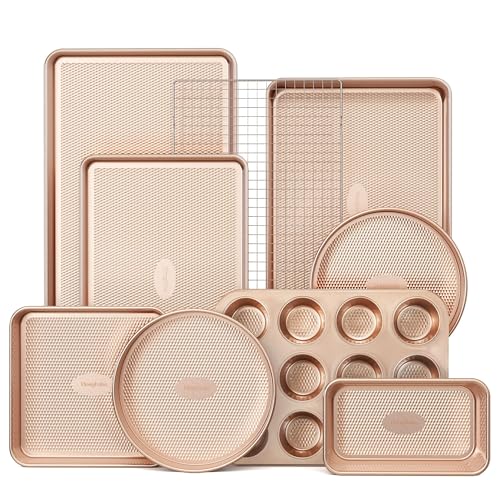
Heavy-duty carbon steel serves as the benchmark material for premium home bakeware. Thicker gauges, such as the 0.6 mm steel found in the HONGBAKE 9-Piece Baking Pans Set, distribute thermal energy smoothly across the entire cooking surface. This uniform heat conduction prevents localized burning, ensuring that the bottom of your cookies crisps at the exact same rate as the edges. Thin metals often heat too rapidly, resulting in warped bases and structural cracking over time.
Alternative materials like standard aluminum or thin steel composites heat up quickly but struggle to retain consistency. When baking delicate items like sponges or custards, sudden temperature fluctuations can ruin the texture. Selecting heavy-gauge metal ensures structural stability up to high temperatures, typically around 450°F, providing professional-grade reliability for years of daily kitchen usage.
What are the must-have pieces in a complete baking collection?
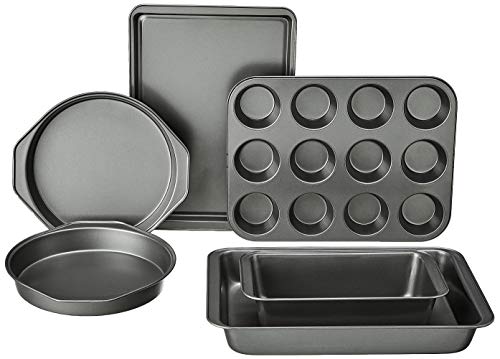
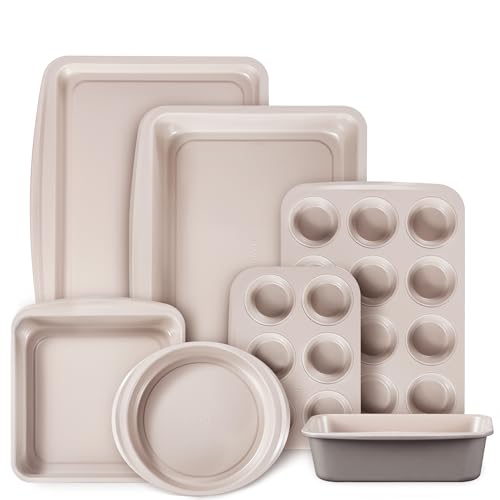
A truly versatile kitchen setup requires a balanced mix of shapes to handle diverse recipes. A standard cookie sheet or half sheet pan acts as the foundation for roasting vegetables and baking biscuits. Round cake pans and square baking dishes are essential for layered desserts, brownies, and savory casseroles. A dedicated loaf pan handles quick breads and meatloaves, while a structured muffin tin covers cupcakes and single-serving breakfast items.
Collections like the Lollicy 11-Piece Nonstick Baking Pans Set expand on these essentials by offering multiple sizes of individual pans. Having access to small, medium, and large variants allows you to scale recipes seamlessly for intimate family dinners or large holiday parties. A cooling rack is another vital component, stopping the cooking process immediately so baked goods do not become soggy.
How does storage design impact small kitchen spaces?
Cabinet real estate is precious, making storage layout a primary consideration for modern home cooks. Traditional bakeware sets often clutter drawers because the handles and rims vary wildly in shape. Modern nesting configurations allow an entire collection of up to ten pieces to stack neatly within the footprint of a single large roasting tray. This space-saving design keeps your cooking area organized and prevents metal surfaces from scratching one another during storage.
Aspiring bakers living in small apartments, tiny homes, or recreational vehicles benefit immensely from unified dimensions. Lightweight yet robust carbon steel designs slide effortlessly into low-profile drawers. Choosing a set explicitly engineered to nest protects the delicate nonstick coatings from friction damage while keeping your essential pans easily accessible.
What safety features should you look for in nonstick coatings?
Modern food safety requires a careful look at the chemical composition of nonstick surfaces. Older generations of nonstick cookware frequently relied on manufacturing compounds that could release harmful fumes under high heat. High-grade modern alternatives use dual-layer, chemical-free coatings that omit PFOA, PTFE, and lead entirely. These formulations provide a clean cooking experience while maintaining excellent food release.
In addition to chemical safety, physical ergonomics play a major role in kitchen protection. Wider handles or integrated high-grip silicone accents help bakers manage hot pans safely. When transferring heavy roasts or hot cakes from a 450°F oven, extended grips provide the leverage needed to prevent slips and accidental burns.
What are the most common maintenance mistakes to avoid?
Exposing nonstick surfaces to abrasive cleaning tools is the fastest way to ruin high-quality bakeware. Metal scouring pads, harsh knives, and abrasive powdered cleansers create micro-scratches that strip away the protective coating. Once the nonstick layer is compromised, food will begin to bond permanently to the underlying steel, causing premature rusting.
Thermal shock is another frequent cause of structural warping. Plunging a scorching hot baking pan directly into cold sink water causes the metal to contract rapidly. Always allow your bakeware to cool completely to room temperature before initiating the washing process to protect its long-term alignment.